
By Lisa Peers, Founder of Peers and Players
During my decades as a leader and coach, I have observed a silent epidemic in the corporate world. I call it “Toxic Peace.” It is a state of artificial harmony where people try to be “nice,” meetings are polite, and no one raises their voice, yet underneath the surface, resentment is brewing, projects are stalling, and the best people are quietly looking for the exit. Toxic Peace exists because people are fundamentally afraid of conflict. They don’t know how to confront challenges in their team, or with their manager. They don’t know how to give feedback which is both constructive and engaging. They lack the tools, the language, and the confidence to say the hard thing.

This is why courageous conversations training has become the most requested service at Peers and Players. Organizations have realized that the ability to navigate friction is not a personality trait; it is a strategic competency. When leaders avoid difficult conversations, whether it’s addressing poor performance, calling out a behavioral issue, or challenging a senior stakeholder, they are essentially paying a “silence tax” on their productivity.
Why We Avoid the Tough Talks
As humans, we are biologically wired for social belonging. Our brains often perceive a difficult conversation as a threat to that belonging, triggering an amygdala response: a “fight, flight, or freeze” response. This is why we ruminate on a difficult email for three days instead of just picking up the phone. We fear the emotional fallout. We fear “ruining the relationship.” We fear “getting it wrong.”
At Peers and Players, we use the power of theatre to normalize this discomfort. We believe that courage is not the absence of fear, but the ability to act in spite of it. By using professional training actors, we allow managers to “rehearse” these conversations in a safe, controlled environment. They get to see, in real-time, that being clear is actually being kind. They learn practical skills for having an empathetic leadership conversation.
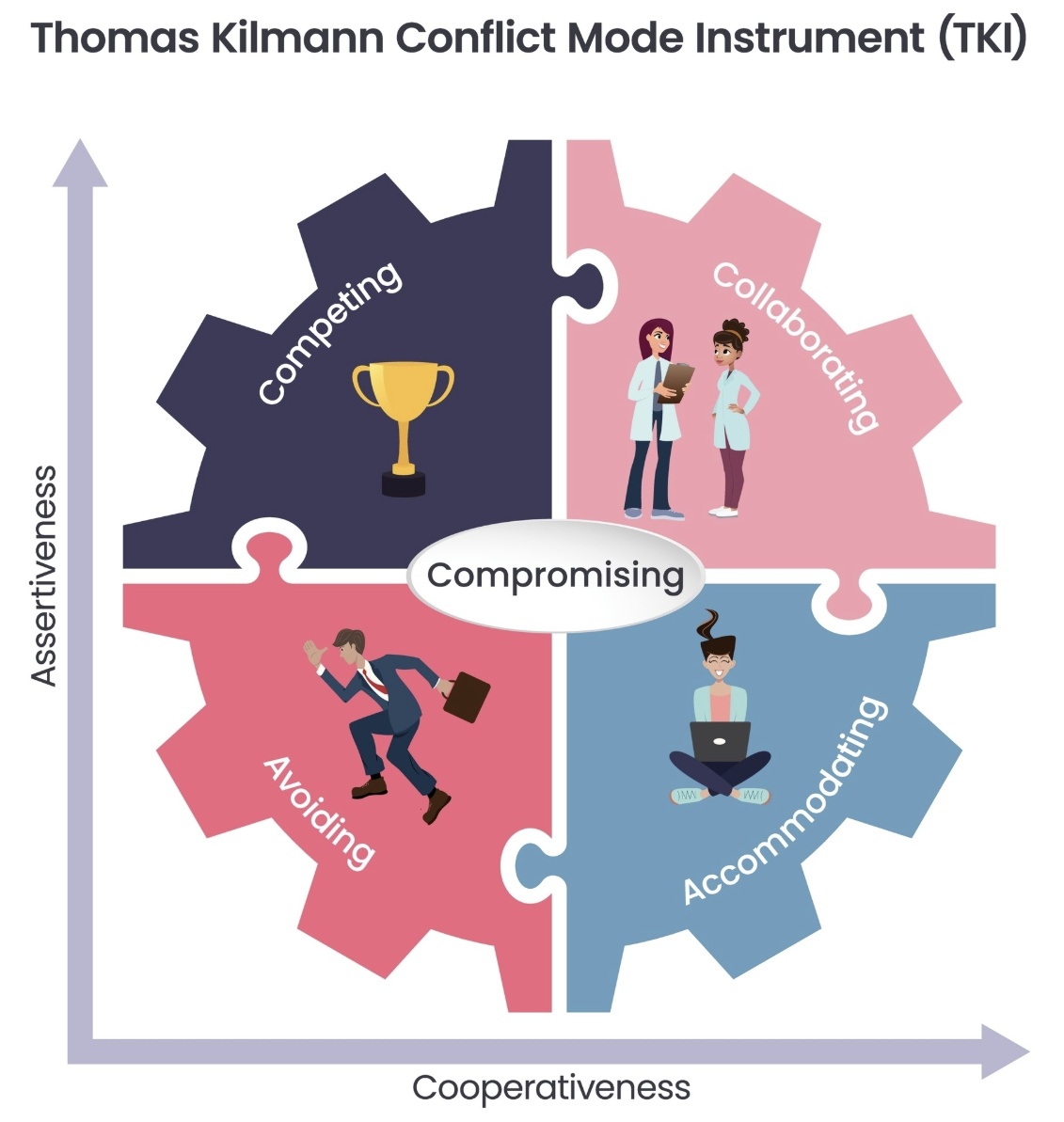
The Anatomy of a Courageous Conversation
Our courageous conversations training doesn’t just provide theories; it provides a useful framework for emotional intelligence. We teach leaders to move from “Subjective Judgment” to “Objective Observation.” Instead of saying, “You have a bad attitude,” we teach them to say, “When you stayed silent in the client meeting, the impact was a lack of clarity on our next steps.” We practice useful methods like SBI to frame an objective feedback conversation.
By practicing these nuances with our corporate actors, leaders learn to:
- Manage their own physiology: Staying calm if the other person becomes defensive or challenging.
- Master the Pause: Using silence as a tool for mutual reflection rather than a vacuum for anxiety.
- Listen for Subtext: Hearing what isn’t being said and addressing the underlying emotions and needs.
Building a Culture of Accountability
When you scale this capability across an organization, the results are transformative. You move from a culture of “Toxic Peace” to a culture of “Healthy Dissent.” Innovation flourishes because people feel safe to challenge ideas. Performance improves because expectations are clear and feedback is frequent. Most importantly, trust increases. Employees would much rather work for a manager who is honest and direct than one who is vaguely “nice” but lets issues fester.
Investing in courageous conversations training is an investment in your company’s resilience. It equips your leaders to handle the inevitable friction of high-growth environments with grace and clarity. Don’t let the “silence tax” hold your organization back. It’s time to find the words, find the courage, and start the conversations that matter.
Empower Your Leaders: Book a discovery call today to learn how we can tailor a Courageous Conversations workshop for your leadership team.